
WHO WE ARE
AAC should open doors.
We're here to help.
OUR TEAM
Meet the clinicians
Haley Dayel, MS, CCC-SLP, CBIS
Founder & Clinical Director
Haley Dayel, MS, CCC-SLP, CBIS, is a speech-language pathologist specializing in augmentative and alternative communication (AAC) for children and adults with complex communication needs. She completed her graduate training at San Francisco State University with a special focus in AAC.
Her clinical background spans pediatric specialty care, Level I trauma and rehabilitation, and community-based brain injury services. She has worked with children and adults with cerebral palsy, neuromuscular conditions, autism, rare genetic syndromes, stroke, traumatic brain injury, and progressive neurologic conditions.
Haley has particular experience with AAC evaluation and system design when access is complex and requires individualized problem-solving. Her work includes speech-generating device evaluation, AAC display design, eye gaze and switch access, and adapting communication systems for people with low vision or CVI. She has presented on AAC accessibility, complex access, and system design at professional conferences including CSHA and ASHA.
Growing up alongside her sister, who primarily communicates through body language, shaped Haley’s understanding that connection can be built in many ways, a perspective that continues to inform her clinical work. Outside of work, she is an avid gardener and enjoys spending time with her husband, two dogs, and close-knit community of neighbors.
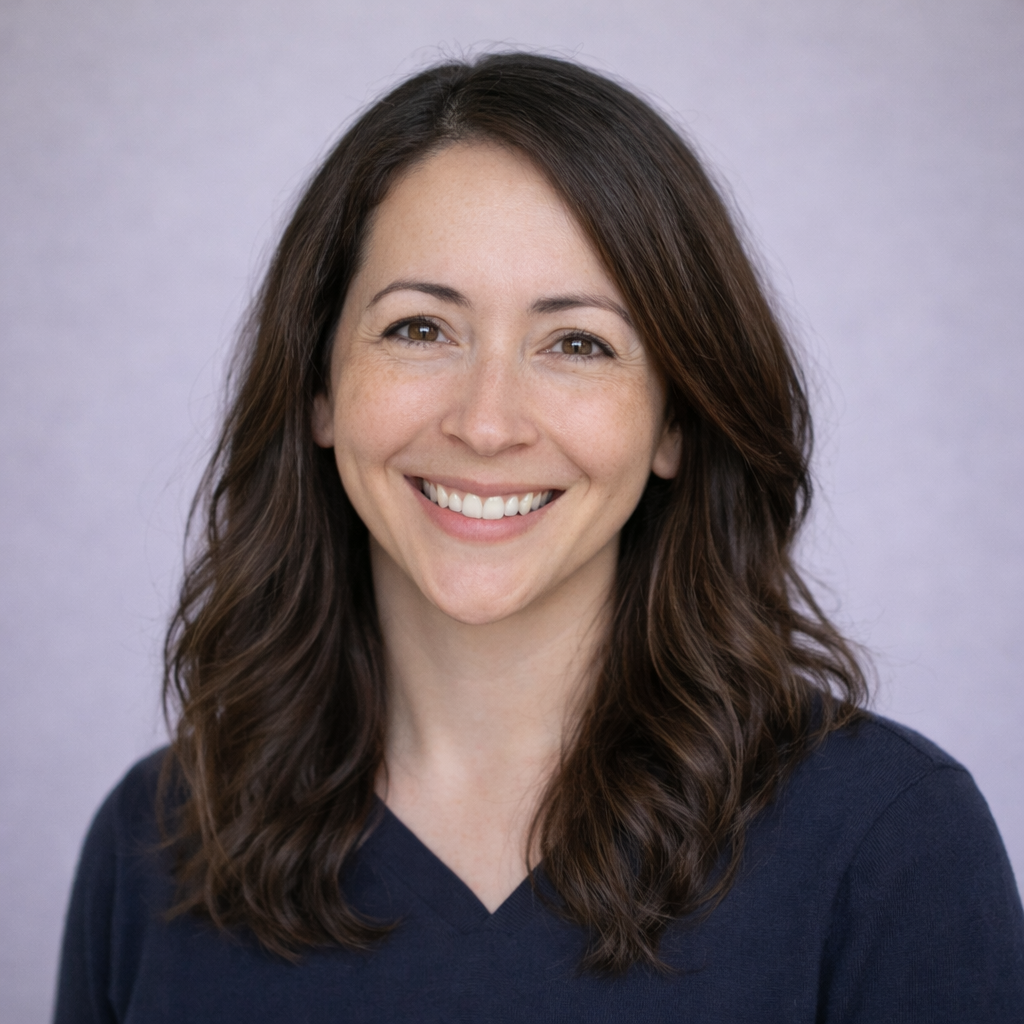
Lindsay Cheng, MS, CCC-SLP
Educational and Community Collaborator
Lindsay specializes in AAC for individuals with complex communication needs across school and medical settings, with experience supporting both children and adults. She brings strong expertise in alternative access and AAC for individuals with cortical visual impairment, combining technical precision with a relational style.
Lindsay believes AAC should open doors to more than requests — her work focuses on helping clients share stories, express humor, and build meaningful connections. She has collaborated with Cadence AAC on educational resources and community programming. Outside of work, she enjoys time with her family and two dogs, playing video games, and traveling.
OUR STORY
Why we started Cadence AAC
Too often, AAC services focus on fitting the person to the tool — teaching device operation, drilling vocabulary, measuring requests. We started Cadence AAC because we believe it should work the other way around.
People with complex communication needs deserve support that starts with who they are — what brings meaning to their lives, how they want to participate in the world, and what they have to say. We start there, and then we figure out what tools can make it happen.